For nearly a decade, phone makers have promised that their latest flagship can replace a DSLR or mirrorless camera. Every time I hear that claim, I can't help but think of The Rock's raised eyebrow meme. Yet, despite my skepticism, I've tested phones that come surprisingly close to authentic camera experiences. The vivo X300 Pro achieves it through image processing, the OPPO Find X9 Pro through tactile feedback, and the Xiaomi 17 Ultra with a variable aperture that feels like a real lens. These innovations highlight a growing gap: while Chinese brands push hardware boundaries, Samsung and Google seem content with software tricks. Here are five key reasons why phone cameras are finally outpacing traditional ones—and why the leaders need to catch up.
1. The Never-Ending Promise of DSLR-Killing Phones
Every year, at least a dozen brands claim their phone can replace a dedicated camera. They show off bokeh shots, zoom capabilities, and low-light modes. But for years, those claims fell flat. The sensors were too small, the lenses too limited, and the processing too artificial. However, recent breakthroughs have begun to blur the line. Sensors like the 1-inch type in the Xiaomi 17 Ultra capture more light, while computational photography adds a polish that sometimes looks better than a raw DSLR image. The key shift? Companies are now focusing on hardware that mimics the physics of a larger camera, not just software that fakes it. This evolution makes older promises finally believable—but only for brands willing to invest in real optical innovation, something Samsung and Google have been slow to do.
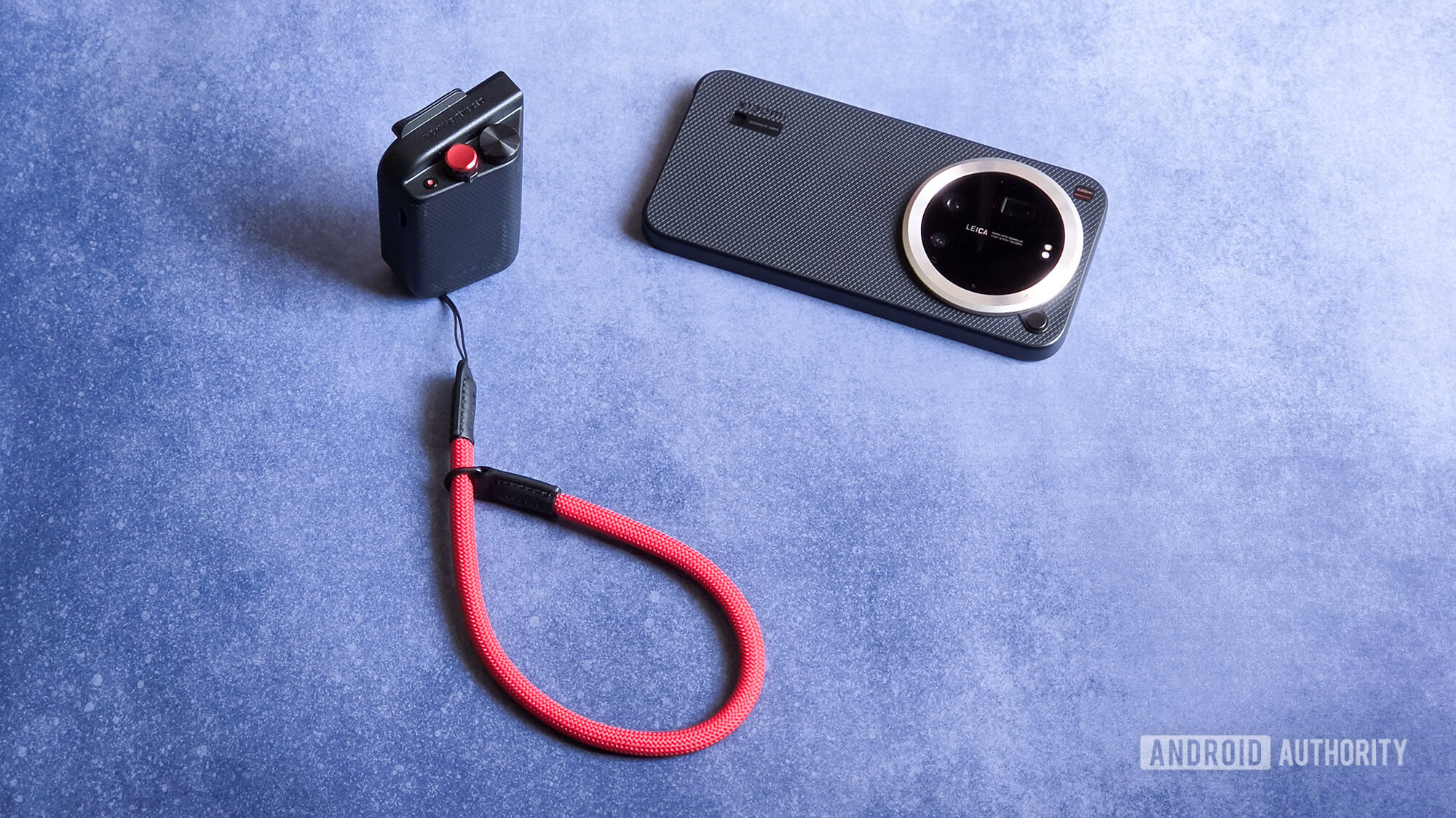
2. How the vivo X300 Pro Mimics DSLR Output Through Superficial Impressions
The vivo X300 Pro is a master of first impressions. When you snap a photo, the image pops with vibrant colors, deep contrast, and a creamy bokeh that rivals a prime lens. The phone uses a specialized imaging chip and advanced AI to analyze the scene and apply realistic depth effects. It's not just a blur; the transitions between in-focus and out-of-focus areas feel natural, mimicking the optical characteristics of a fast portrait lens. However, zoom in closely, and you notice the artifice—oversharpened edges and occasional halo artifacts. Still, for social media and casual viewing, the superficial result is as good as a cheap DSLR with a kit lens. This proves that even without groundbreaking hardware, clever software can bridge the gap. But it also shows why Samsung and Google need to up their game: their processing often lags in naturalness compared to vivo's dedicated chipset.
3. The OPPO Find X9 Pro’s Tactile Innovation with Extendable Lenses
OPPO took a different route with the Find X9 Pro: tactile feedback. The phone features a unique extendable lens module that physically moves when you zoom or focus. This creates an audible click and a subtle vibration that simulates the mechanical feel of a real camera lens. When you twist the bezel, the lens extends and retracts, giving you direct control over focal length. It’s not just a gimmick—the lens system improves light gathering and reduces distortion compared to fixed periscope designs. Photographers often rely on muscle memory from years of using DSLRs, and OPPO’s haptic feedback helps them feel more connected to the shot. This innovation puts pressure on competitors like Samsung and Google, who still rely on electronic sound simulation rather than real mechanical movement. The Find X9 Pro proves that the phone-camera experience can be more than just tapping a screen.
4. Xiaomi 17 Ultra’s Variable Aperture Brings DSLR Control to a Phone
The Xiaomi 17 Ultra is the latest flagship to embrace variable aperture—a feature that lets the lens physically open and close, just like an interchangeable lens camera. By switching between f/1.6 for low light and f/4.0 for landscapes, the phone controls depth of field and sharpness in a way that fixed-aperture phones cannot. This isn't new in theory (Samsung tried it years ago), but Xiaomi's implementation is more reliable and offers a wider range. The result is that portraits have a smoother background blur, and wide shots are sharper from edge to edge. This variable aperture, combined with a large 1-inch sensor, creates images that are hard to distinguish from those taken with a compact mirrorless camera. For photo enthusiasts, having that physical iris control means they can adjust exposure and creative effects without relying on software. Samsung's Galaxy S series and Google's Pixel line both stick with fixed apertures, limiting their versatility.

5. Why Samsung and Google Need to Step Up Their Camera Game
Samsung and Google dominate the premium smartphone market, but their camera strategies have grown conservative. Samsung leans heavily on computational photography and multiple lenses, yet its aperture remains fixed across all models. Google relies almost entirely on software, using AI to enhance single-lens captures. While both produce excellent photos in standard scenes, they lack the hardware innovations that make shooting feel like using a real camera. The vivo X300 Pro, OPPO Find X9 Pro, and Xiaomi 17 Ultra each bring something physically different: dedicated imaging chips, extendable lenses, or variable aperture. These features don't just improve image quality; they change the photographer's experience. As Chinese brands push boundaries, Samsung and Google risk falling behind. They don't need to copy every feature, but ignoring the tactile and optical advancements could make their phones feel dated. The race to replace DSLRs is on, and the leaders are no longer the front-runners.
Conclusion: The Future of Phone Photography Is Physical
The smartphone camera war is entering a new phase. For years, the battle was won through better sensors and smarter software. But now, companies like vivo, OPPO, and Xiaomi are focusing on the physical mechanisms that make a camera feel like a real tool. Variable apertures, extendable lenses, and dedicated imaging hardware are turning phones into genuine creative instruments. Samsung and Google still lead in overall ecosystem and software polish, but they cannot ignore the hardware gap much longer. If they want to stay relevant for enthusiasts who crave that DSLR-like control, they will need to introduce their own optical innovations. The era of the “camera phone” is evolving into the era of the “phone camera” that truly replaces your dedicated gear—but only for those who invest in the mechanics, not just the megapixels.