Introduction
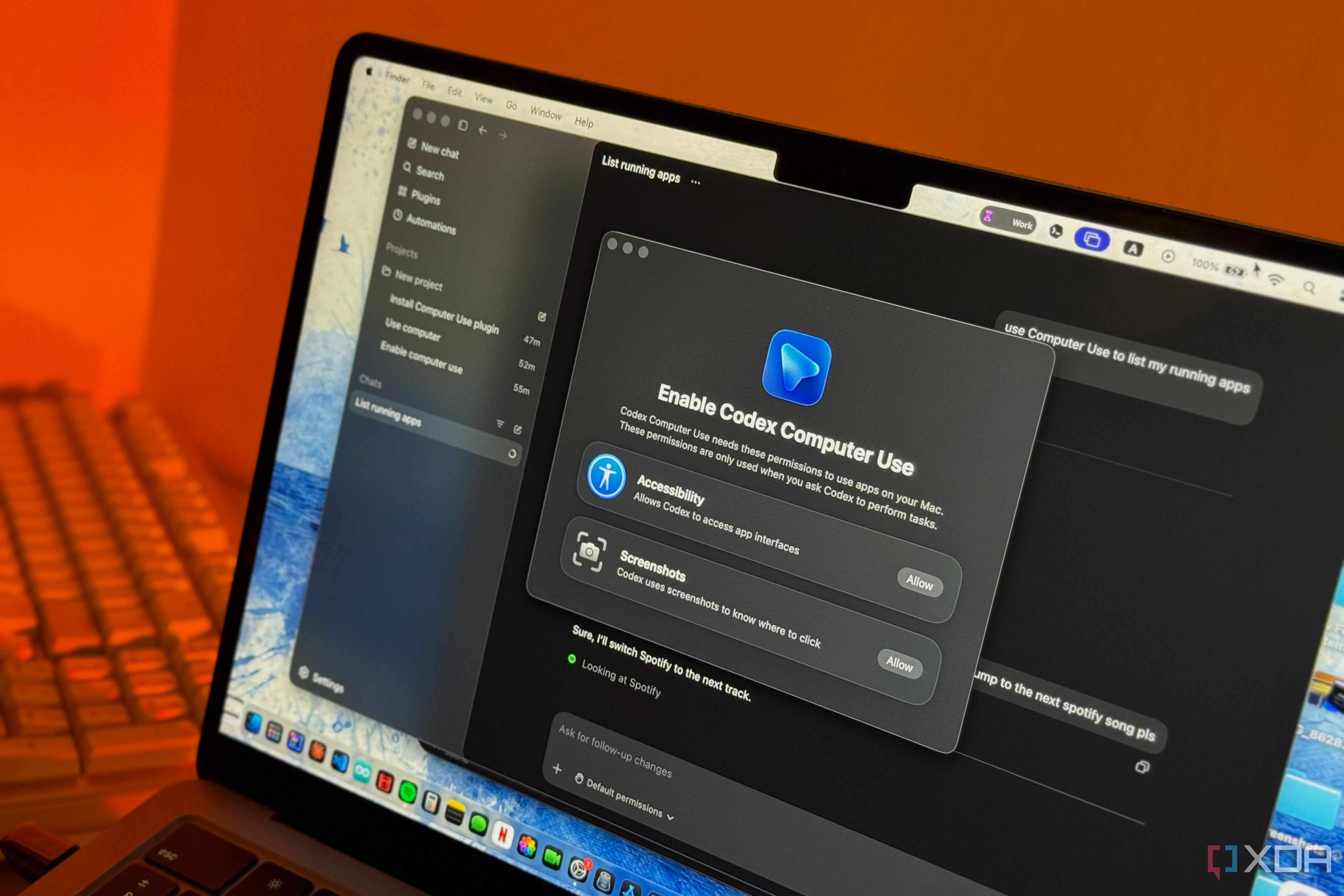
OpenAI's Codex was originally designed as a specialized coding assistant—helping developers write code, fix bugs, review pull requests, and automate repetitive tasks. However, as its capabilities have expanded, Codex is evolving into something much greater: an integrated AI workspace that streamlines entire workflows. This guide will walk you through the steps to transition from using Codex as a simple coding tool to leveraging it as a comprehensive AI-driven environment, increasing your productivity and allowing you to focus on creative problem-solving.
What You Need
- An OpenAI account with access to Codex (available through the OpenAI API or integrated platforms like GitHub Copilot).
- Basic familiarity with coding concepts and at least one programming language (Python, JavaScript, etc.).
- A code editor or IDE that supports Codex integration (e.g., VS Code, JetBrains).
- An active internet connection to interact with Codex's cloud-based models.
- Optional: A project or repository you'd like to use as a testing ground.
Step-by-Step Guide
Step 1: Set Up Your Codex Environment
Begin by ensuring your development environment is ready. If you're using the OpenAI API, generate an API key from your account dashboard. For IDE plugins, install the relevant extension (e.g., GitHub Copilot for VS Code) and authenticate with your OpenAI account. Configure the tool to suit your preferences—for instance, set the verbosity level for suggestions and decide whether to enable auto-completions or manual triggers.
Step 2: Initiate a Code Generation Task
Start with a simple task to see Codex's transformation. Instead of just asking for snippets, prompt Codex to generate a full function or module. For example, type a comment like "Create a Python function that fetches data from an API and handles errors". Codex will not only write the code but also structure it with proper error handling and documentation. Review the output, and use the generated code to build larger components—this mimics a workspace where you treat Codex as a collaborative partner.
Step 3: Use Codex for Debugging and Bug Fixing
One of the most powerful features of Codex as a workspace is its ability to debug. When you encounter an error, paste the problematic code and the error message into Codex. Ask it to "identify the bug and propose a fix". Codex will analyze the logic, point out issues like off-by-one errors or missing imports, and provide corrected code. This step reduces the time spent on manual debugging and helps you learn from the mistakes.
Step 4: Automate Repetitive Engineering Work
Codex excels at taking over repetitive tasks that consume deep focus time. Identify patterns in your workflow, such as writing boilerplate code, formatting data, or generating test cases. Create a prompt that describes the repetitive pattern, and let Codex produce the output. For example, "Write unit tests for the following class methods using pytest". You can even chain multiple prompts to handle a series of tasks, effectively turning Codex into a background worker that prepares the groundwork for your main development.
Step 5: Integrate Codex with Pull Request Reviews
To truly harness the AI workspace, incorporate Codex into your code review process. After completing a feature, open a pull request and ask Codex to review the changes. Prompt: "Review this pull request for common code smells, security vulnerabilities, and adherence to best practices". Codex will generate a summary of potential issues, suggest improvements, and even rewrite portions of code. This transforms the review from a human-only chore into a collaborative effort, freeing you to focus on higher-level architectural decisions.

Step 6: Expand Beyond Coding – Document and Plan with Codex
Codex is no longer limited to code. Use it to generate documentation, create project roadmaps, or draft technical specifications. For instance, prompt: "Write a README file for this project that explains its purpose, setup steps, and API endpoints". You can also ask Codex to "outline a development plan for adding a new feature", breaking it into tasks and subtasks. This makes Codex a central hub for both coding and project management activities.
Step 7: Optimize Your Workspace with Custom Prompts
Tailor Codex to your specific needs by creating a library of custom prompts. Save prompts for common tasks like refactoring, performance optimization, or data validation. Over time, refine these prompts based on feedback. For example, a prompt like "Refactor this code to improve readability and reduce cyclomatic complexity" can be reused across different projects. This personalization turns Codex into an AI workspace that understands your coding style and preferences.
Tips for Success
- Start small: Begin with one or two tasks and gradually integrate Codex into more areas as you become comfortable.
- Provide context: The more context you give in your prompts, the better Codex's output will be. Include relevant code snippets, error messages, or description of the desired outcome.
- Review and iterate: Always review the AI's output—Codex can make mistakes or produce inefficient code. Use it as a augmentation, not a replacement for your judgment.
- Combine with other tools: Codex works great alongside version control, CI/CD pipelines, and project management tools. Use it to generate commit messages or write CI configuration.
- Stay updated: OpenAI regularly improves Codex. Keep an eye on documentation and release notes to leverage new features.