Introduction
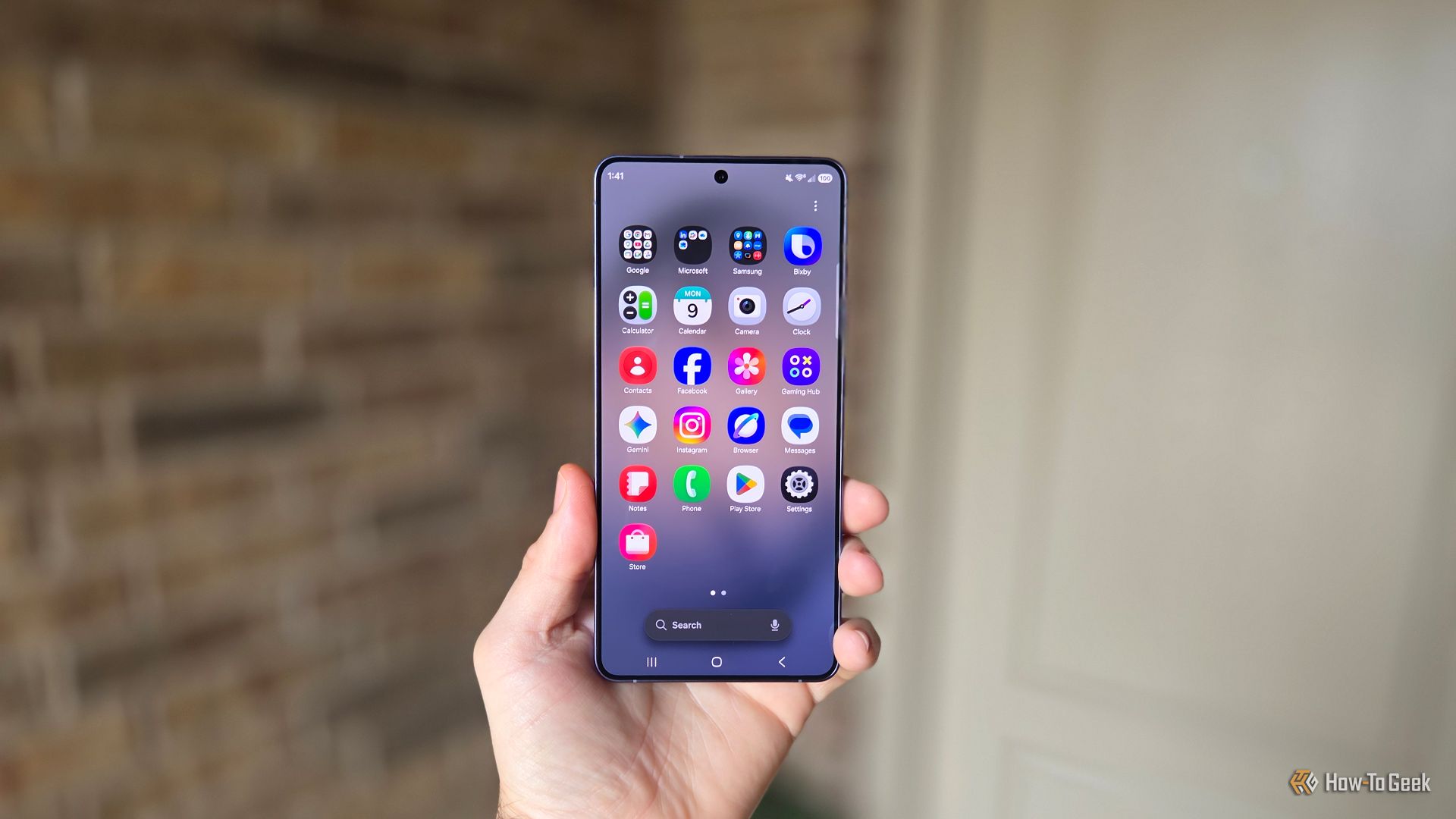
Samsung Galaxy phones still boast some of the best hardware in the Android world—vivid displays, innovative cameras, and long battery life. Yet if you've owned one for the past couple of years, you might have noticed a nagging issue: the built-in apps that once set Samsung apart haven't evolved much. Samsung Messages, Calendar, Gallery, and even the stock launcher still feel largely the same as they did years ago. While they were ahead of competitors in 2018, today they can seem stagnant compared to third-party alternatives or even Google's own offerings. This guide will help you reclaim a fresh, modern experience on your Galaxy phone, without giving up on Samsung's core strengths. You'll learn how to identify app gaps, adopt powerful substitutes, and customize your device so that the software feels as polished as the hardware. Whether you're a long-time user or considering a switch, these steps will breathe new life into your phone.
What You Need
- A Samsung Galaxy phone (any recent model with One UI 4.0 or later)
- Stable internet connection (Wi-Fi or mobile data)
- 30–60 minutes of uninterrupted time
- Optional: Samsung Account (for Good Lock and beta programs)
- Optional: A computer for ADB commands (if you want deeper customisation)
Step-by-Step Guide
Step 1: Audit Your Samsung Apps
Start by evaluating which Samsung apps you regularly use and critically assess whether they've added meaningful features in the past two years. Open each app—Messages, Calendar, Gallery, Contacts, Phone, Notes, Bixby Routines—and note any lag, missing features, or outdated interfaces. For example, Samsung Messages still doesn't support RCS group chat reliably, and the Gallery app lacks advanced editing tools like object removal. Make a list of the apps that frustrate you most. This audit will guide your decisions in the next steps.
Step 2: Replace Core Apps with Superior Alternatives
Many Samsung apps can be swapped for updated third‑party versions that offer a richer experience. For messaging, consider Google Messages (full RCS support, better spam protection) or Textra (customisation). Replace Samsung Calendar with Google Calendar (seamless sync with other devices) or Business Calendar 2. For photos, Google Photos provides unlimited backup at reduced quality and a smarter search engine. If you need a powerful note app, Notion or Evernote beats Samsung Notes. Install these alternatives from the Galaxy Store or Play Store, set them as defaults via Settings > Apps > Choose default apps.
Step 3: Unlock the Full Potential of Good Lock
Samsung’s Good Lock app (available in the Galaxy Store) is a hidden gem that directly addresses app stagnation. It lets you deeply customise the launcher, lock screen, notification panel, and more—without replacing system apps. Download Good Lock and install modules like Home Up (customise Home screen grid, task changer), QuickStar (adjust status bar icons, buttons), and LockStar (lock screen shortcuts). These modules breathe new life into the user interface, making it feel fresh even if the underlying apps haven't changed. Spend 15 minutes tweaking each module to your preference.
Step 4: Enable Hidden Pro Features in Samsung Apps
Before ditching a Samsung app entirely, check if it has powerful features that are buried in settings. In Camera, enable Pro mode to manual control ISO, shutter speed, and focus. The Gallery app can auto-create movies and collages—turn on “Suggestions” in the side menu. Samsung Messages has a secret “Advanced Messaging” feature that may improve RCS; go to Settings > Chat settings > Enable chat features. For Bixby Routines, create complex automations (e.g., when arriving at work, silence notifications and open calendar). These hidden abilities can make you appreciate what's already there.
Step 5: Harness System‑Level Shortcuts
Samsung's One UI includes powerful shortcuts that third-party apps often miss. Use Edge Panels to quickly access apps, contacts, intelligent select, and clipboard. Configure them in Settings > Display > Edge panels. Also explore One Hand Operation+ (part of Good Lock) to create swipe gestures for back, recent apps, screenshots. These system-level tweaks improve workflow dramatically without needing external apps, making your phone feel more responsive than its core apps appear.

Step 6: Join Beta Programs to Get Future Updates Early
Samsung occasionally releases beta versions of One UI and its apps. Sign up for the Samsung Members app and check the “Join Programs” section for beta invitations. Beta programs often include new features for Calendar, Gallery, and Messages before they reach stable builds. While still in testing, they can give you a sneak peek of improvements and let you provide feedback that may accelerate updates. Note that betas may have bugs, so install on a secondary device if possible.
Step 7: Consider a Third‑Party Launcher
If Good Lock modules aren't enough, replace the entire launcher. Nova Launcher, Action Launcher, or Lawnchair 2 offer endless customisation—grids, icon packs, gestures, hidden drawers. While you lose some Samsung‑specific features (like the Home Up module), you gain a much more modern interface. Set the launcher as default via Settings > Apps > Choose default apps > Home app. Then import your Samsung widget arrangement or start from scratch.
Step 8: Keep Your Phone’s Firmware Updated
Last but not least, ensure your Galaxy phone is running the latest One UI and security patches. Go to Settings > Software update > Download and install. Samsung has committed to four years of major OS updates and five years of security patches for recent flagships. Even if individual apps aren't updated, the underlying operating system improvements can enhance stability, performance, and battery life, indirectly making apps feel snappier. Install updates as soon as they appear.
Tips for Long‑Term Success
- Backup before switching: Before replacing default apps, export your Samsung Notes to PDF, save SMS history with SMS Backup & Restore, and sync media with Samsung Cloud or Google Photos.
- Permissions matter: After installing new apps, grant them necessary permissions (camera, contacts, storage) to unlock full functionality.
- Join community forums: XDA Developers and Reddit’s r/GalaxyS23 have dedicated threads for app alternatives and optimisation tips—check them every few months for breakthroughs.
- Don’t over‑customise: Changing too many core apps at once can break integrations (e.g., Samsung Health with Google Fit). Change gradually and test for a week.
- Re‑evaluate every 6 months: The app landscape changes fast. A “better” alternative now may be outdated later. Repeat Step 1 biannually to keep your experience fresh.
By following these eight steps, you can overcome the stagnation of Samsung's built‑in apps and enjoy a phone that feels as innovative as the day you bought it—without sacrificing the hardware quality you love.